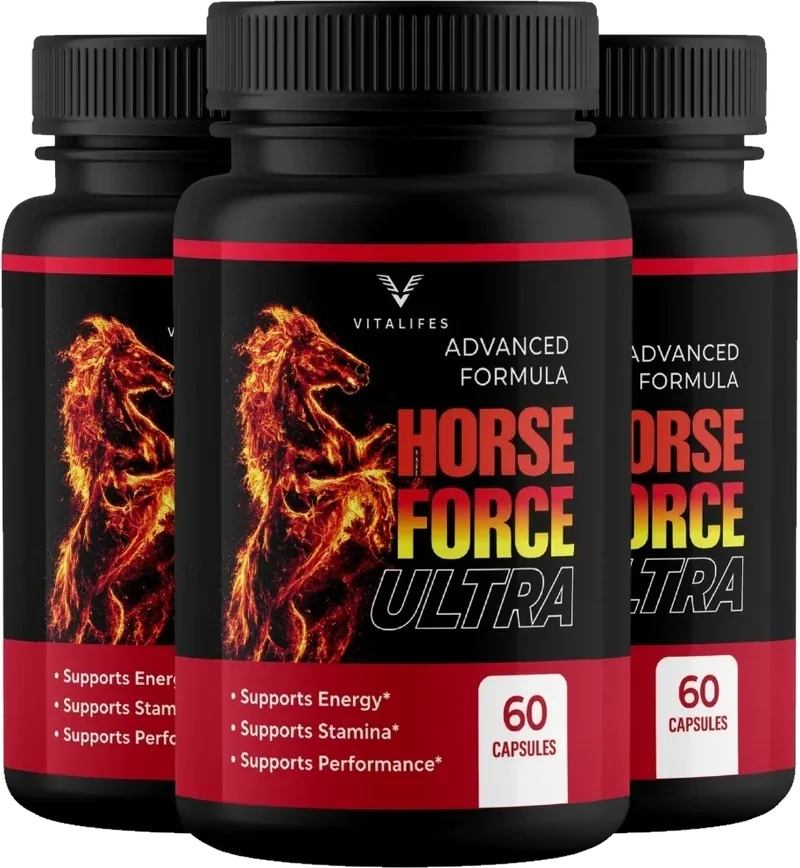
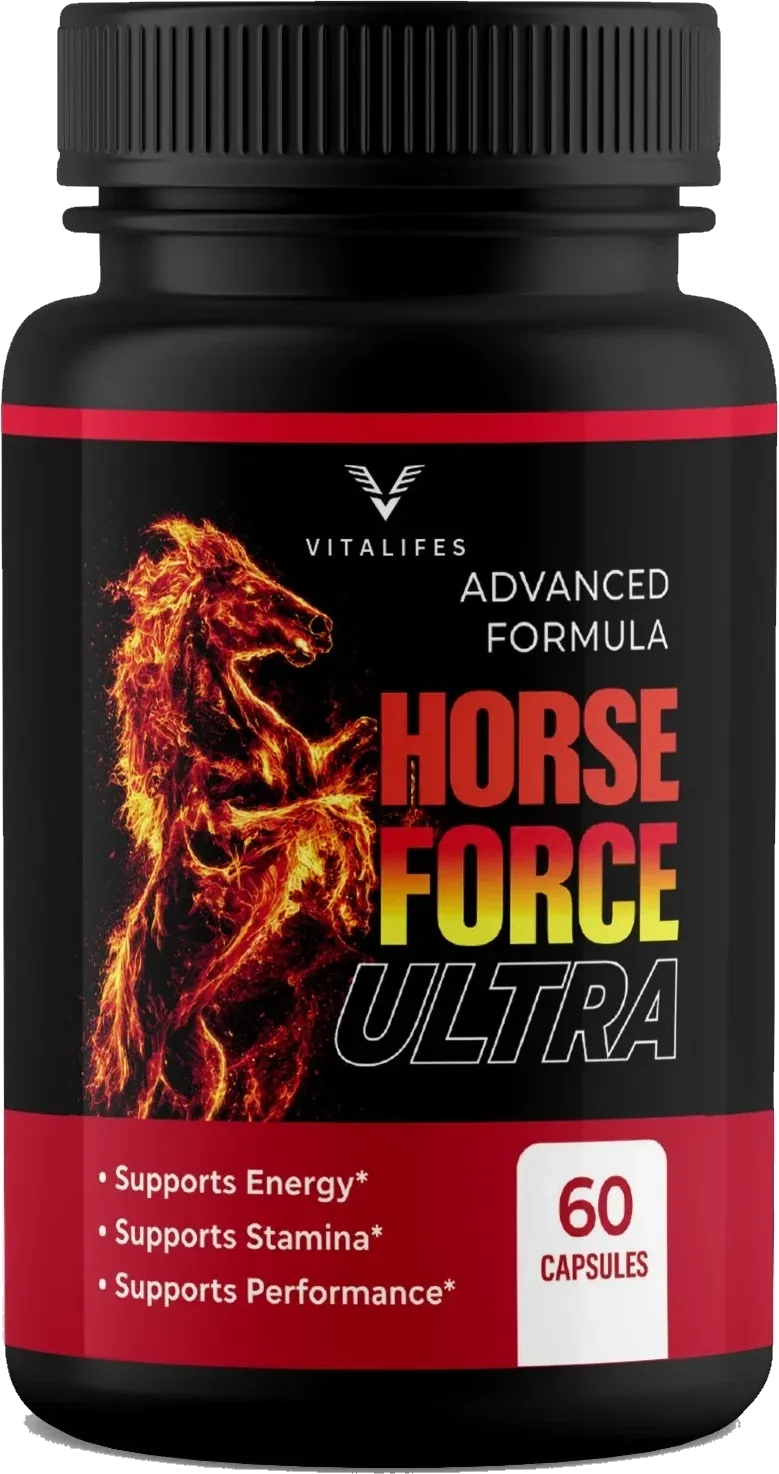
Horse Force Ingredients: All 8, and What the Research Says
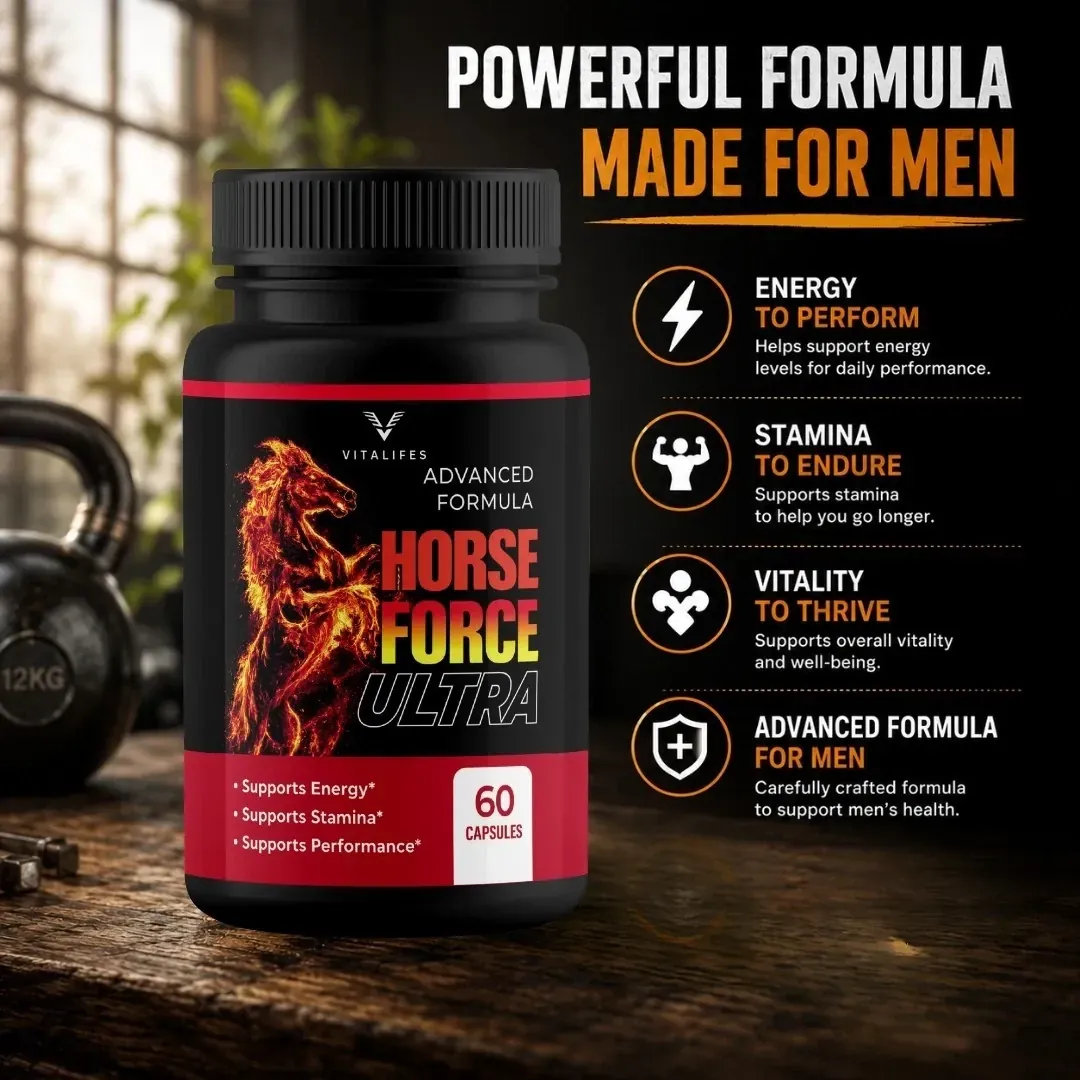
Horse Force Ultra packs 8 ingredients into one 1,200 mg Test Boost Proprietary Blend, led by horny goat weed and tongkat ali. The label does not say how much of each is inside. This page groups the eight by what they are meant to do, checks each against its research dose, and flags a mismatch: the marketplace listing mentions yohimbe, which is not on the label.
What are the 8 ingredients in Horse Force?
Every serving carries the same 1,200 mg mix. Here is each ingredient, and why the total amount matters more than any one name.
- Horny Goat Weednot published
- Tongkat Alinot published
- Saw Palmettonot published
- Nettlenot published
- Wild Yamnot published
- Sarsaparillanot published
- Orchic Substancenot published
- Boronnot published
Equal bars are a placeholder, not a claim. The label lists 8 ingredients in one 1,200 mg total and does not say how much of each is inside.
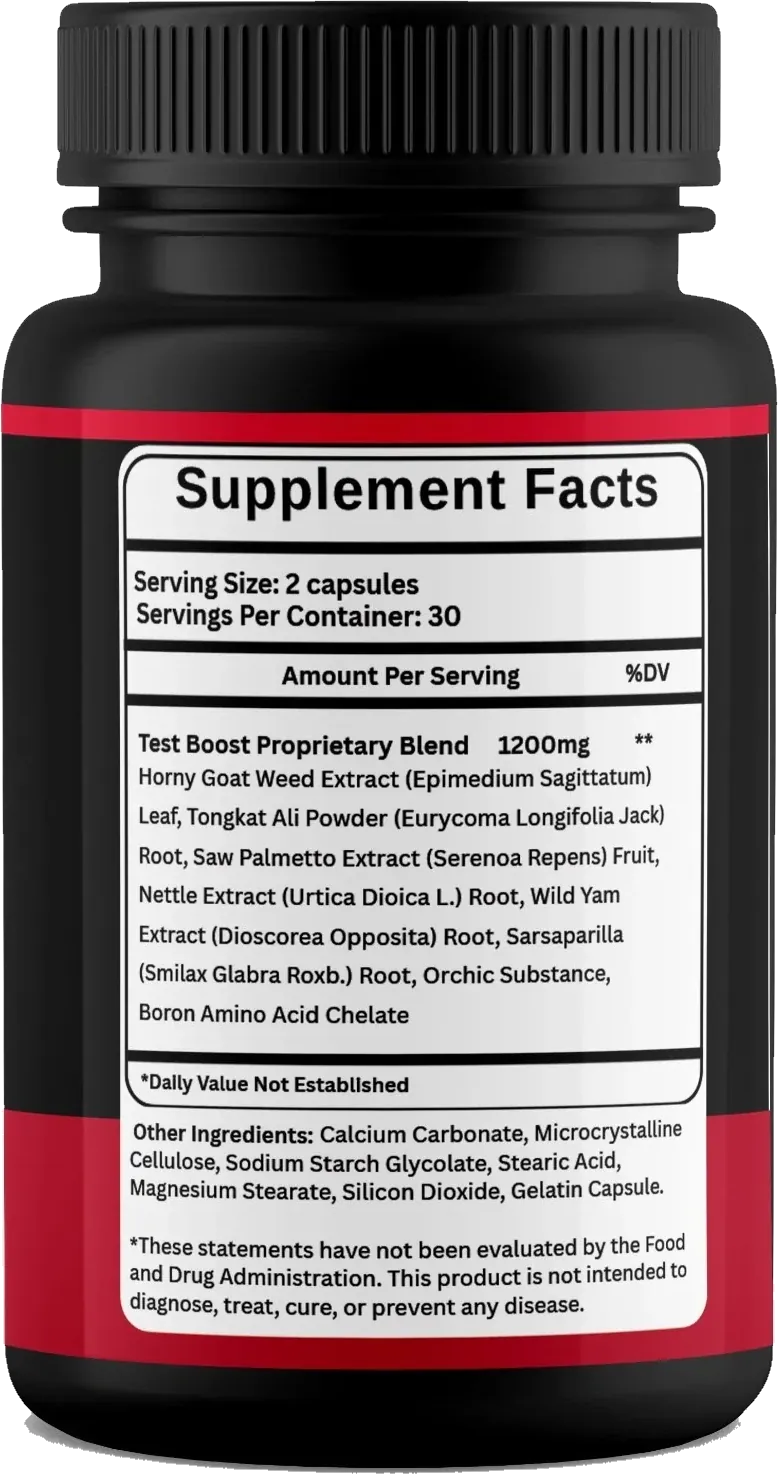
The Supplement Facts panel names eight ingredients inside one blend. They print heaviest first, but the label gives one combined number, 1,200 mg, and never breaks out a single ingredient's share. That is legal for a "proprietary blend," but it means nobody outside the maker can check any single dose. Here is the label order:
- Horny Goat Weed Extract (Epimedium sagittatum)
- Tongkat Ali Powder (Eurycoma longifolia Jack)
- Saw Palmetto Extract (Serenoa repens)
- Nettle Extract (Urtica dioica L.)
- Wild Yam Extract (Dioscorea opposita)
- Sarsaparilla (Smilax glabra Roxb.)
- Orchic Substance (animal glandular tissue)
- Boron Amino Acid Chelate (trace mineral)
Explore each Horse Force ingredient
Tap through all eight. Each panel shows the research dose, the human evidence level and a safety note, sourced below.
Horny Goat Weed Extract
Epimedium sagittatum · leaf
A traditional Chinese herb whose main compound is icariin. No controlled human efficacy trials of Epimedium or icariin for sexual function were found; erectile benefits are shown only in rat studies.
- In Horse Force
- Not published
- Dose used in research
- no established human efficacy dose
- Safety note
- LiverTox rates horny goat weed an unlikely cause of liver injury, but a 2025 case report documented severe muscle spasms with markedly elevated creatine kinase and creatinine after use of an unregulated online Epimedium supplement.
- Sources
- Brown et al., 2019 · Shindel et al., 2010
Tongkat Ali Powder
Eurycoma longifolia Jack · root
A Southeast Asian root with the most human research in this blend. Note: powder, not a standardized extract. Multiple small RCTs and a meta-analysis show testosterone increases, especially in men with low baseline levels or age-related androgen deficiency; trial durations are mostly short (2 weeks to 6 months).
- In Horse Force
- Not published
- Dose used in research
- 200-600 mg/day standardized root extract
- Safety note
- Tongkat Ali is generally well tolerated in short clinical trials with no consistent liver-enzyme changes, but LiverTox rates it a possible, rare cause of liver injury based on one case report that was confounded by concurrent bodybuilding and possible undisclosed steroid use.
Saw Palmetto Extract
Serenoa repens · fruit
A palm berry mostly studied for prostate symptoms. The 2023 Cochrane review (27 RCTs, ~4,656 men) found saw palmetto alone produces little to no benefit for BPH urinary symptoms versus placebo at either standard or triple dose; earlier positive results have not held up in the largest, highest-quality trials.
- In Horse Force
- Not published
- Dose used in research
- commonly 320 mg/day standardized extract
- Safety note
- Saw palmetto may increase bruising and bleeding risk and should be used cautiously, or avoided, with warfarin and other blood thinners -- case reports document severe intraoperative bleeding and pericardial hemorrhage in a patient on a blood thinner (MSKCC About Herbs).
Nettle Extract
Urtica dioica L. · root
Stinging nettle root, also studied for prostate symptoms. A 2020 RCT found 450 mg/day improved IPSS score and oxidative-stress markers in men with BPH.
- In Horse Force
- Not published
- Dose used in research
- 450 mg/day root extract tested in a 12-week RCT
- Safety note
- Nettle root may add to the effects of blood-pressure-lowering drugs and diuretics, and its diuretic action could in theory affect clearance of drugs such as lithium that depend on kidney function, so it should be used cautiously alongside these medications.
- Sources
- Karami et al., 2020
Wild Yam Extract
Dioscorea opposita · root
A root that contains diosgenin, a plant compound. The only controlled human trial found no significant effect on menopausal symptoms, lipids, or hormone levels versus placebo.
- In Horse Force
- Not published
- Dose used in research
- not established
- Safety note
- Wild yam has a long history of use in cosmetics and topical creams, and the one controlled human trial found no significant effect on hormone levels versus placebo.
- Sources
- Komesaroff et al., 2001
Sarsaparilla
Smilax glabra Roxb. · root
A traditional root. No human clinical trials were found. MSKCC's About Herbs database states that despite traditional use, clinical studies of Smilax glabra/sarsaparilla have not been conducted in humans; any suggested benefit comes from lab and animal data only.
- In Horse Force
- Not published
- Dose used in research
- not established
- Safety note
- Human safety data on sarsaparilla (Smilax) are very limited.
- Sources
- Memorial et al., 2024
Orchic Substance
animal glandular tissue
Dried testicular tissue from cattle. It makes the product not vegetarian. No human trials of orchic (bovine testicular) substance for testosterone or testicular health were found; RxList rates the evidence for any claimed use as insufficient, and reliable safety data are similarly limited.
- In Horse Force
- Not published
- Dose used in research
- not established
- Safety note
- Orchic substance is derived from bovine (cattle) testicular tissue, so it is not vegetarian or vegan and carries the same theoretical BSE ('mad cow disease')/prion contamination concern that leads FDA to restrict imports of high-risk bovine tissue for supplements from at-risk countries -- though no human disease transmission from orchic supplements has been reported.
- Sources
- RxList et al., 2024
Boron Amino Acid Chelate
trace mineral
A trace mineral with a small study on free testosterone. Safe upper limit: 20 mg a day. Only small, short-duration human trials (e.g., Naghii 2011, n=8) have examined boron's hormonal effects; results are promising but preliminary and not yet confirmed in larger trials.
- In Horse Force
- Not published
- Dose used in research
- 10 mg/day tested in a small 1-week trial that found increased free testosterone and decreased estradiol
- Safety note
- Boron is generally well tolerated at typical supplemental doses, but NIH ODS sets a Tolerable Upper Intake Level of 20 mg/day for adults from all sources combined.
- Sources
- Naghii et al., 2011
The men's roots: horny goat weed, tongkat ali, wild yam and sarsaparilla
Four of the eight ingredients are roots or root-family extracts with a long history in men's formulas. Tongkat ali has the strongest human data. A meta-analysis of pooled trials found it raises testosterone, mostly in men with low baseline levels, at roughly 100 to 600 mg a day (Leisegang et al., 2022). Horse Force lists tongkat ali as a plain powder, not the standardized extract those trials used.
Horny goat weed is the first name on the label. Its main compound, icariin, helped nerve-injured rats in lab studies, but no controlled human trial has tested it for sexual function (Shindel et al., 2010). A human safety trial found high doses of icariin caused stomach upset and poor absorption (Brown et al., 2019).
Wild yam contains diosgenin, a plant compound some sellers say converts to hormones in the body. The one controlled human trial, a topical cream, found no change in hormone levels versus placebo (Komesaroff et al., 2001). Sarsaparilla has no human clinical trials at all (Memorial et al., 2024).
The prostate herbs: saw palmetto and nettle root
Saw palmetto and nettle root are studied mainly for prostate and urinary symptoms, not energy or performance. A 2023 Cochrane review of 27 trials in 4,656 men found saw palmetto alone gives little to no benefit for urinary symptoms of an enlarged prostate (Franco et al., 2023). NCCIH reaches the same conclusion and notes saw palmetto does not appear to change PSA readings (National Center for Complementary and Integrative Health (NCCIH), 2024).
Nettle root has better single-ingredient data: a 12-week trial at 450 mg a day improved symptom scores in men with an enlarged prostate (Karami et al., 2020), though it is more often studied paired with saw palmetto. Neither herb makes a testosterone or performance claim in the research, and neither treats a diagnosed prostate condition.
The minerals and glandulars: boron and orchic substance
The last two ingredients are a trace mineral and an animal-derived glandular, and they need the most care. A small trial of 8 healthy men found 10 mg of boron a day raised free testosterone and lowered estradiol within a week (Naghii et al., 2011). It is the only ingredient here with a fairly specific dose in the research, but the trial was tiny and short. NIH sets an adult upper limit of 20 mg of boron a day from all sources (National Institutes of Health, 2024), and Horse Force does not publish how much boron is in its blend.
Orchic substance is dried testicular tissue from cattle. A supplement reference rates the evidence for any use, including raising testosterone, as insufficient (RxList et al., 2024). Being bovine glandular tissue, it falls under the kind of import controls the FDA keeps on high-risk bovine material from BSE-affected countries (U.S. et al., 2024), and it makes Horse Force unsuitable for anyone who avoids animal-derived ingredients.
Horse Force doses vs. research doses: the honest comparison
| Ingredient | Dose used in research | Human evidence |
|---|---|---|
| Horny Goat Weed Extract | no established human efficacy dose | Weak |
| Tongkat Ali Powder | 200-600 mg/day standardized root extract | Moderate |
| Saw Palmetto Extract | commonly 320 mg/day standardized extract | Weak |
| Nettle Extract | 450 mg/day root extract tested in a 12-week RCT | Moderate |
| Wild Yam Extract | not established | Weak |
| Sarsaparilla | not established | Weak |
| Orchic Substance | not established | Weak |
| Boron Amino Acid Chelate | 10 mg/day tested in a small 1-week trial that found increased free testosterone and decreased estradiol | Limited |
The whole Test Boost blend is 1,200 mg. Tongkat ali alone was studied at 200-600 mg of a standardized extract, saw palmetto at 320 mg, and nettle root at 450 mg. Add those three research doses and you are already past 1,200 mg, before the other five ingredients get any share at all. Some ingredients here must sit well under their research dose.
More: tongkat ali powder vs. extract and orchic substance, explained.
What's missing from the label, and the yohimbe mismatch
The marketplace listing's item specifics mention yohimbe extract. Yohimbe is not one of the eight ingredients on the Supplement Facts label. This site follows what the label prints, not the listing's item specifics.
Other ingredients on the label
Calcium Carbonate, Microcrystalline Cellulose, Sodium Starch Glycolate, Stearic Acid, Magnesium Stearate, Silicon Dioxide, Gelatin Capsule. These are fillers and the capsule shell, not part of the 1,200 mg blend.
What the label does not tell you
- Milligram amount of each ingredient inside the 1,200 mg blend
- Tongkat ali standardization (it is listed as a powder, not a standardized extract)
- Source and processing of the orchic substance
- Amount of elemental boron
- Third-party lab results (lot HOR-26/HO-3977 and CoA HOR-3977-26-HO are draft references, not lab proof)
- GMP certificate number and facility name
- Verified customer reviews (seller-supplied figures could not be checked against orders)
Ingredients: common questions
What are all 8 ingredients in Horse Force?
Horny goat weed, tongkat ali, saw palmetto, nettle root, wild yam, sarsaparilla, orchic substance and boron, in one 1,200 mg blend.
How much of each ingredient is in Horse Force?
The label does not say. Proprietary blends only have to list a combined total, which here is 1,200 mg for all eight ingredients.
Which Horse Force ingredient has the most research?
Tongkat ali, at 100-600 mg a day of a standardized extract. Horse Force lists it as a powder, not that extract.
Does Horse Force contain yohimbe?
Not according to the Supplement Facts label. The marketplace listing's item specifics mention yohimbe, but the label does not list it. Follow the label.
Is orchic substance safe?
Human safety data are limited. It is bovine glandular tissue, not vegetarian, and it falls under FDA import caution over BSE risk.
Do saw palmetto and nettle root raise testosterone?
No. Both are studied for prostate and urinary symptoms. A Cochrane review found saw palmetto alone gives little benefit for those symptoms.
Which ingredients have no human trials?
Sarsaparilla and orchic substance. Both have traditional use but no controlled human studies we could find.
Can 1,200 mg hold research doses of all 8 ingredients?
Not likely. Research doses for tongkat ali, saw palmetto and nettle root alone add up to more than 1,200 mg, so some ingredients here sit under their studied amount.
Keep reading
How does Horse Force work?
The same eight ingredients, grouped by what they are meant to do in the body.
Read →Horse Force Supplement Facts, line by line
A full word-for-word read of both label panels, front to back.
Read →Horse Force side effects and interactions
What to watch for with saw palmetto, nettle root, boron and the rest.
Read →Order Horse Force from the authorized retailer
60 capsules per bottle, 2 a day. Packs of 3, 6 or 9 bottles run from $10.26 a bottle on the listing, with 30-day returns. Questions first? Call +1 (302) 200-3480.