Orchic Substance Explained: The Ingredient Behind the Name
Orchic substance is dried testicular tissue from cattle, added to men's formulas on tradition rather than evidence: no human trial has tested it for testosterone or any other benefit. Because it is bovine glandular material, it is not vegetarian, and the FDA restricts imports of some high-risk bovine tissue over BSE (mad cow disease) risk. Pregnant, breastfeeding and vegetarian readers should skip it.
What is orchic substance?
"Orchic substance" is one of the less familiar names on a men's supplement label, and it is easy to skim past. It should not be skimmed past: it is animal tissue, not a plant extract or a mineral, and it comes with questions the other seven ingredients in a typical blend do not raise.
Most of the ingredients around it on a men's formula label are roots, leaves or berries: tongkat ali, horny goat weed, saw palmetto. Orchic substance stands apart because it comes from an animal, not a plant, and because the logic behind adding it is different from anything a botanical ingredient offers. This article walks through what it actually is, why it is there, what research says, and the one regulatory issue that makes it worth a second look before you buy.
The plain definition
Orchic substance is dried, powdered testicular (glandular) tissue taken from cattle. Older glandular-supplement traditions call this practice "glandular therapy," built on the idea that eating an organ supports the same organ in your own body. It is also sometimes labeled "orchic extract" or "bovine orchic tissue."
Where it sits on a label
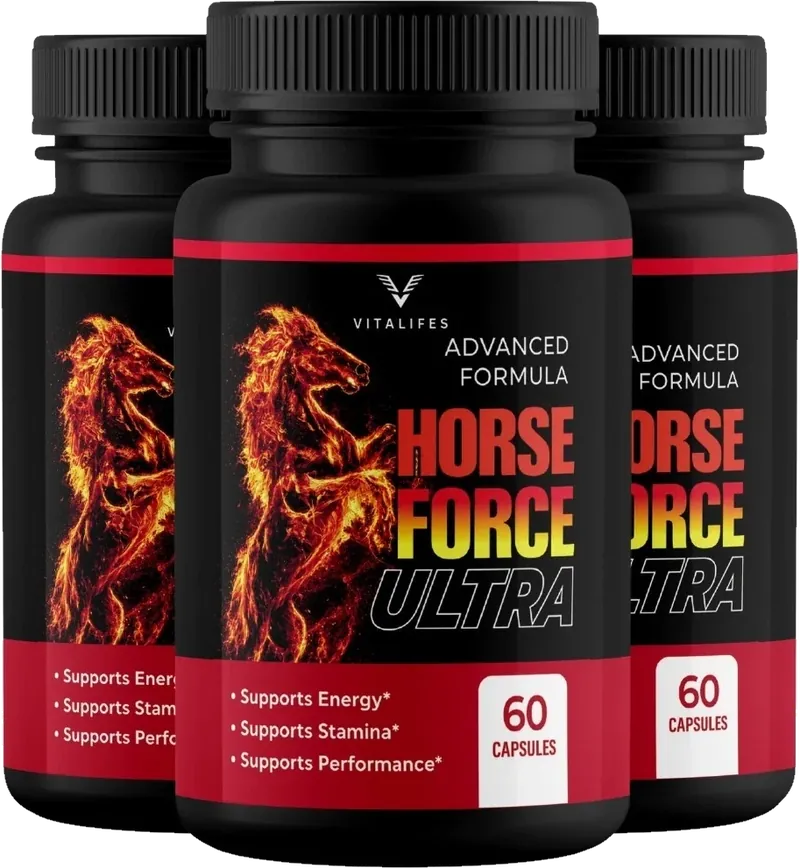
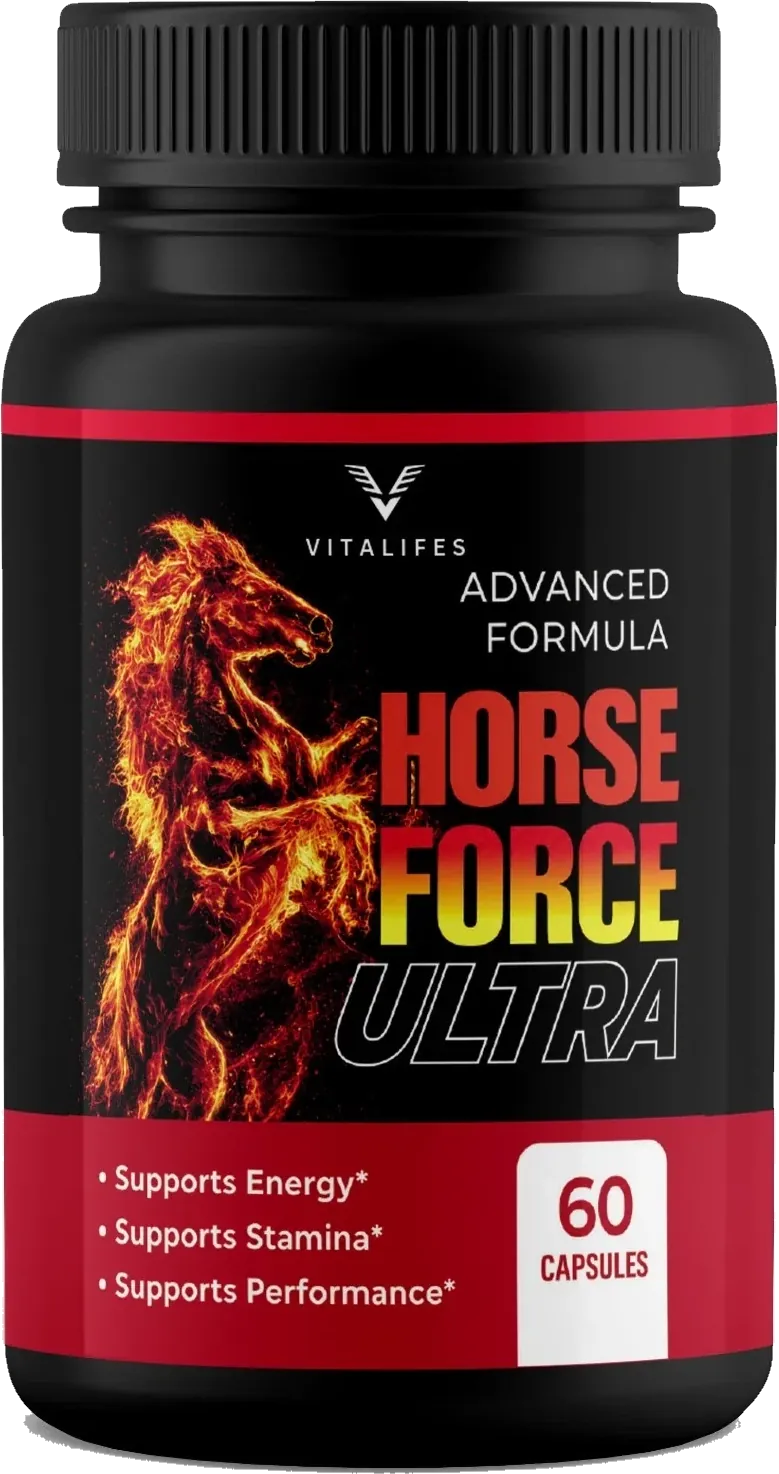
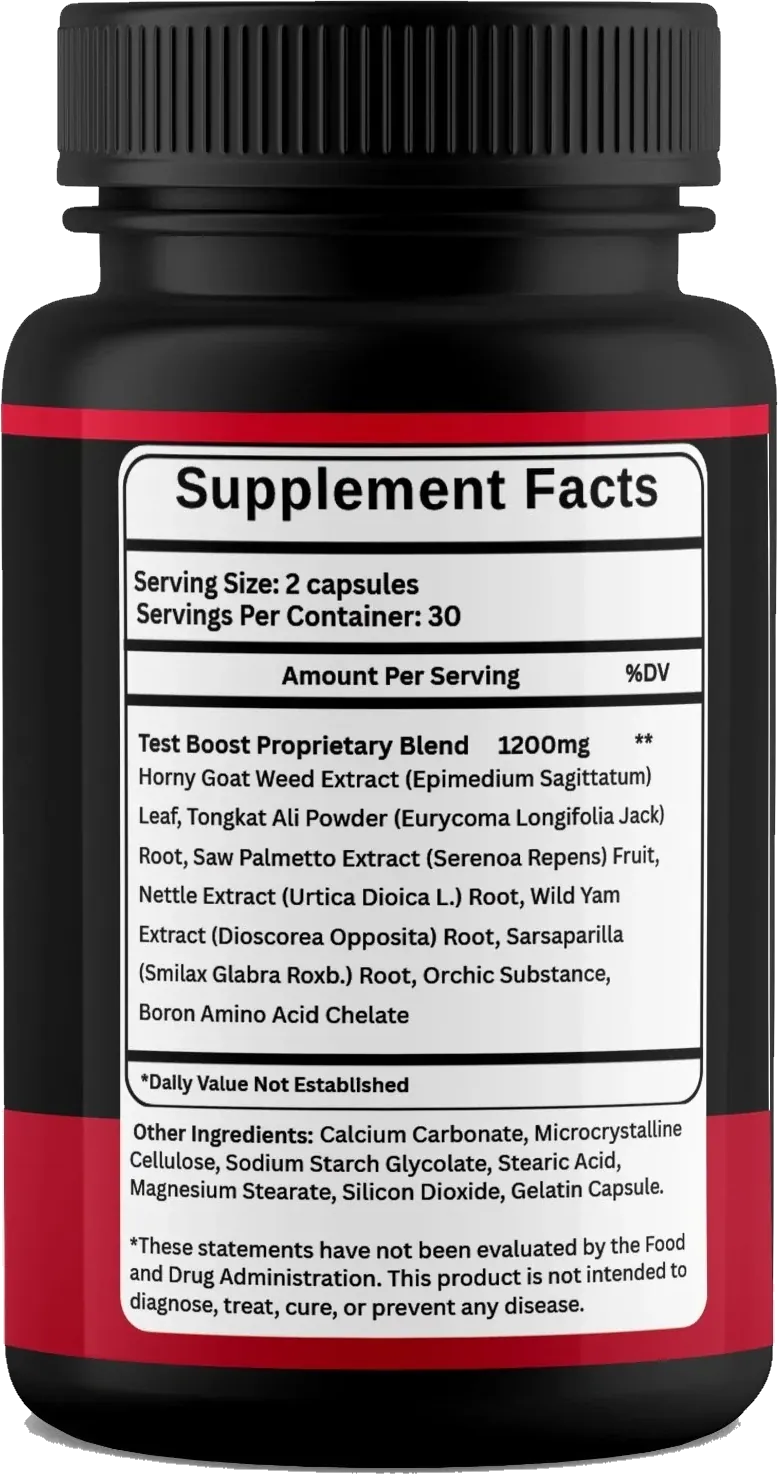
On Horse Force Ultra, orchic substance is one of eight ingredients inside the 1,200 mg "Test Boost Proprietary Blend," alongside tongkat ali, horny goat weed, saw palmetto, nettle root, wild yam, sarsaparilla and boron. The label does not say how much orchic substance is in a serving, or how it was processed.
Why does orchic substance turn up in men's formulas?
Orchic substance shows up almost exclusively in men's "vitality" and "test support" blends, for one simple reason: the name itself implies a connection to testosterone and testicular health, even though that connection has never been shown in a human trial.
A long marketing history
Glandular supplements date back to early-20th-century "organotherapy," the idea that consuming an animal organ delivers whatever that organ produces. The theory predates modern hormone testing and has never been confirmed for orchic tissue taken by mouth.
It fits the label story
Next to tongkat ali and horny goat weed, orchic substance reads as another "traditional male vitality" ingredient, which fits neatly on a bottle built around energy, stamina and performance claims.
It is inexpensive to add
As a bulk animal byproduct rather than a purified compound, orchic substance is a low-cost line item on an ingredient list, which matters in a proprietary blend where the total weight is fixed and shared eight ways.
Glandular supplements are not unique to men's testosterone formulas. The same idea shows up in adrenal, thyroid and liver glandulars sold for other purposes, all built on the same "like supports like" reasoning rather than a mechanism that has been confirmed in modern human trials. Orchic substance is simply the version aimed at men's vitality and performance claims.
What does the human evidence actually show?
There are no published human clinical trials of oral orchic substance for testosterone, testicular health or any other outcome. Everything sold today rests on tradition, not data.
RxList's supplement reference rates orchic extract as having insufficient evidence to support any claimed use, including boosting testosterone or supporting testicular function. It states there is not enough reliable information to know whether oral orchic tissue is even safe, let alone effective (RxList et al., 2024).
| Question | What the evidence shows |
|---|---|
| Does it raise testosterone in men? | No human trial has tested this. Claims rest on tradition, not data. |
| Does it support testicular health? | No human trial has tested this either. |
| Is oral dosing even absorbed intact? | Not established; glandular proteins are broken down by digestion like any other protein. |
| Is a safe human dose known? | No. No dose-finding or safety trial in humans was found. |
| Amount in Horse Force's blend | Not published |
For comparison, tongkat ali, the same blend's best-studied ingredient, has multiple human trials behind it, even though the form on the label is a powder rather than the standardized extract those trials used. Read the gap in tongkat ali powder vs. extract. Orchic substance has no equivalent research to fall back on at all, in any form.
There is also no standard manufacturing benchmark for orchic substance the way there is for a standardized plant extract. A standardized extract is adjusted to carry a set percentage of a named marker compound; orchic substance has no equivalent marker to standardize against, so one supplier's material and another's cannot be meaningfully compared on a label alone.
What do BSE and FDA import controls have to do with this?
What BSE is
BSE, bovine spongiform encephalopathy, is the disease known as "mad cow disease." It is caused by an abnormal protein, a prion, that can build up in the nervous system and, in rare and specific circumstances, in other tissue of infected cattle. Human exposure to prion-contaminated cattle material has been linked to variant Creutzfeldt-Jakob disease.
What the FDA actually restricts
The FDA keeps an active import alert that detains, without physical examination, bulk shipments of high-risk bovine tissue coming from countries with BSE risk, when that tissue is headed for dietary supplements or cosmetics. Glandular material, the same general category as orchic substance, is named among the higher-risk tissues this alert targets (U.S. et al., 2024).
What this does and does not mean for a bottle on a shelf
The import alert is a control on where bovine glandular material is allowed to come from, not a certification that any specific bottle is BSE-free. No confirmed case of BSE transmission through an orchic supplement has been reported, but the regulatory caution exists because the tissue type itself, not any one brand, carries the theoretical risk category. A label does not typically state the country its orchic substance was sourced from.
Why glandular ingredients get extra scrutiny
Plant ingredients like tongkat ali or saw palmetto do not carry any BSE-related risk category at all, because prion disease is specific to certain animal tissues. Orchic substance is one of a small group of animal-glandular ingredients, alongside things like adrenal or pituitary glandulars, that regulators watch more closely for exactly this reason. That is one more way it differs from the rest of a typical men's formula, and one more reason to read past the ingredient name on the label.
Who should avoid orchic substance?
Orchic substance is not automatically dangerous for a healthy adult who chooses to take it. But several groups have a clear reason to skip it, and everyone else has a clear reason to at least know it is there before swallowing the capsule.
- Vegetarians and vegans, since orchic substance is bovine glandular tissue (the capsule shell itself is also gelatin)
- Anyone who is pregnant or breastfeeding, given the total absence of human safety data
- Anyone with religious or dietary restrictions on beef or bovine products
- Anyone who specifically wants ingredients backed by human clinical trials, since this one has none
Sarsaparilla, also in this blend, has the same problem: no human clinical trials have been conducted, according to Memorial Sloan Kettering's About Herbs database. Between the two, a shopper is looking at two of eight ingredients with essentially no direct human research to weigh.
Whether or not orchic substance itself concerns you, the routine habits around any supplement, training, sleep and recovery, do far more of the daily work. That is the focus of our stamina training after 40 guide. And if you want the full label, line by line, see the Supplement Facts breakdown or the complete ingredients list.
Questions readers ask
What is orchic substance made from?
Dried, powdered testicular (glandular) tissue from cattle. It is sometimes labeled orchic extract or bovine orchic tissue.
Does orchic substance raise testosterone?
No human trial has tested this claim. RxList rates the evidence for any use of orchic extract as insufficient, meaning there is not enough reliable data to say it works or does not (RxList et al., 2024).
Is orchic substance safe?
Reliable human safety data are lacking, which is different from being proven unsafe. The main documented concern is regulatory: the FDA restricts imports of some high-risk bovine tissue, including glandular material, over BSE risk (U.S. et al., 2024). No confirmed case of disease transmission from an orchic supplement has been reported.
Is orchic substance vegetarian?
No. It is bovine (cattle) tissue, so any product containing it is not vegetarian or vegan, regardless of other ingredients.
Why does BSE ('mad cow disease') matter for a supplement?
BSE is caused by a prion that can persist in certain cattle tissue. The FDA detains bulk shipments of high-risk bovine tissue, glandular material included, from BSE-risk countries when it is headed for supplements or cosmetics (U.S. et al., 2024). It is a sourcing control, not proof about any specific bottle.
Should I avoid a supplement just because it contains orchic substance?
That depends on your own priorities. Vegetarians, pregnant or breastfeeding readers, and anyone who wants ingredients with human trial support have clear reasons to skip it. Others may be comfortable with an ingredient that has a long traditional use but no clinical proof either way.
Keep reading
Stamina training after 40
Training, recovery, sleep and food habits that build stamina after 40, plus where tongkat ali and boron research realist...
Read →Tongkat ali powder vs. extract
Tongkat ali research used 200-600 mg of standardized extract, not plain powder. Here is why that gap matters for a 1,200...
Read →How much does Horse Force cost?
Pack sizes, days of supply and how to pick the right one.
Read →Order Horse Force from the authorized retailer
60 capsules per bottle, 2 a day. Choose 2, 3 or 6 bottles; the checkout shows each price and the money-back terms before you pay. Questions first? The contact page lists every desk.