Tongkat Ali Powder vs. Extract: What the Research Actually Used
Human trials tested tongkat ali as a standardized root extract, dosed at roughly 200 to 600 mg a day, and found testosterone gains mostly in men with low baseline levels. Plain root powder, the form on many labels, has no published human dose. Inside a 1,200 mg, 8-ingredient blend with amounts not published, the tongkat ali gap in both form and dose is impossible for a shopper to check.
What the research actually tested
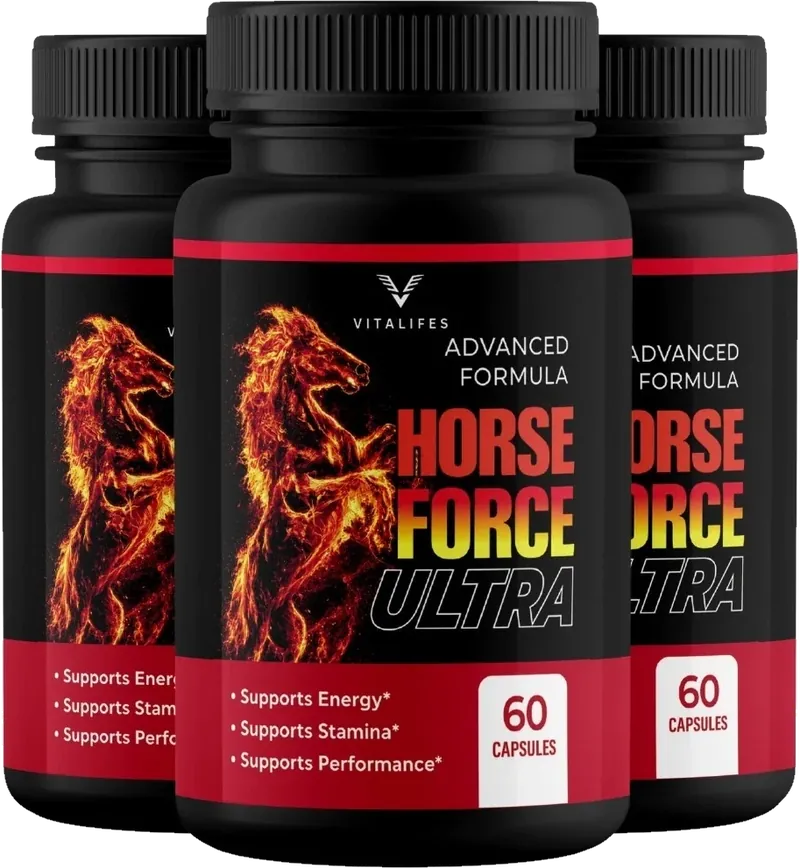
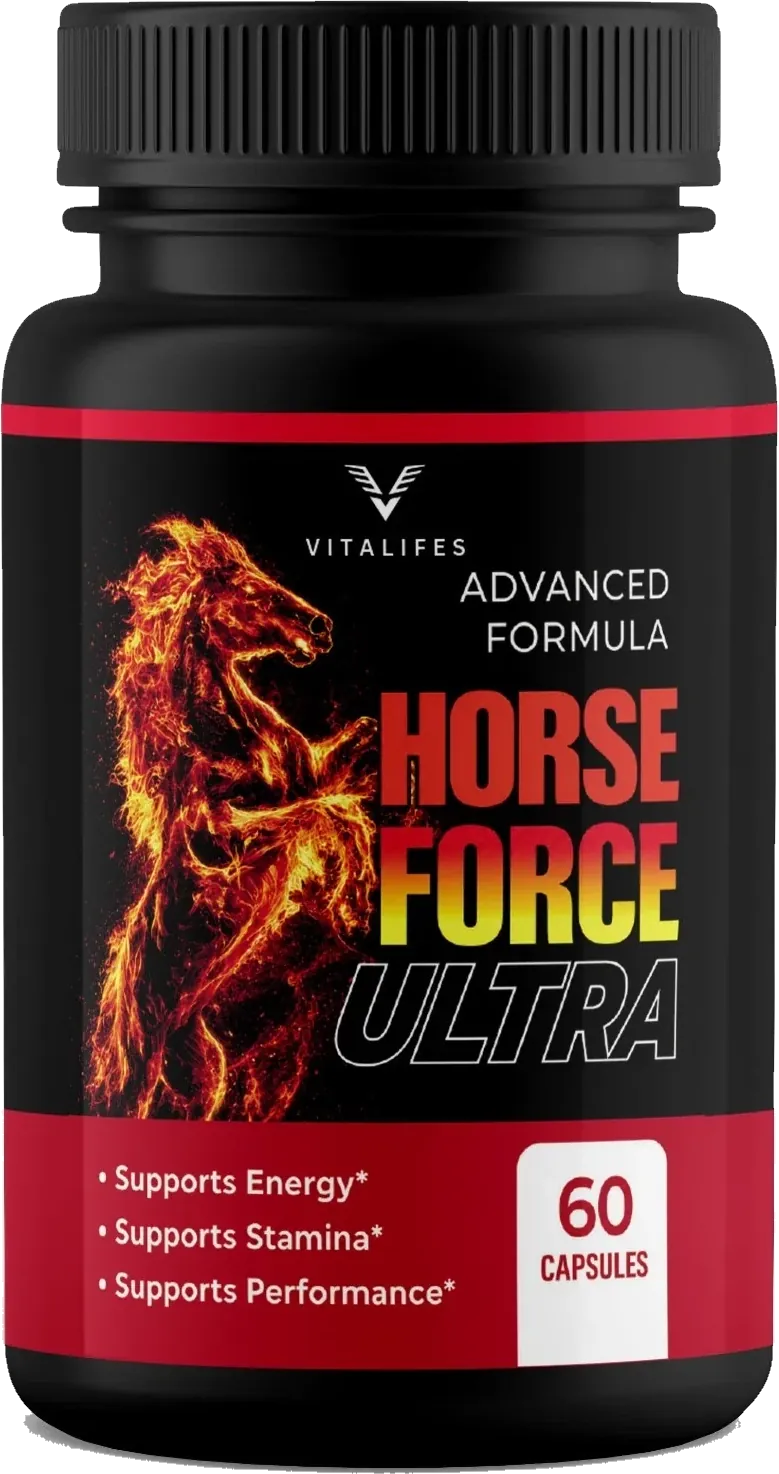
Search "tongkat ali dose" and you will find numbers like 200 mg, 300 mg or 600 mg a day. Almost every one of those numbers comes from a trial that used a standardized root extract, not the plain ground root. That distinction matters, because the label on Horse Force Ultra lists "Tongkat Ali Powder," and the amount inside its 1,200 mg blend is not published.
6-month RCT, 200 mg/day extract
Men with age-related androgen deficiency took 200 mg a day of a standardized Eurycoma longifolia root extract alongside exercise training. After 6 months, erectile function scores and total testosterone improved in roughly half the group (Leitão et al., 2021).
Meta-analysis, 100-600 mg/day extract
Pooling multiple clinical trials, this review found Eurycoma longifolia supplementation raised serum testosterone, especially in men who started with low levels. The pooled trials used roughly 100 to 600 mg a day of extract, over periods from 3 days to 6 months (Leisegang et al., 2022).
2-week RCT, 600 mg/day extract
Healthy young men taking 600 mg a day of Eurycoma longifolia extract for two weeks saw dose-related rises in testosterone and free testosterone. The researchers linked the effect to the stress-hormone axis rather than a direct testicular one (Chan et al., 2021).
Every one of these trials dosed a standardized extract: a concentrated preparation made to carry a set amount of the root's active compounds, called quassinoids, in every gram. None of them tested plain dried root powder, and none of them tested tongkat ali as one small part of an eight-ingredient proprietary blend. That gap between lab conditions and a store-bought bottle is the whole reason this article exists.
Powder vs. standardized extract: what is the real difference?
What a standardized extract is
Making an extract means soaking ground root in water or alcohol, then concentrating what dissolves out. A "standardized" extract goes one step further: the maker tests each batch and adjusts it so every gram carries a set amount of a marker compound, often listed as a quassinoid or eurycomanone percentage. Two bottles from two different years should carry roughly the same strength.
What plain root powder is
Root powder is just the dried root, ground fine. Nothing is extracted, concentrated or measured against a marker compound. Two batches of powder can carry very different amounts of active material, because that depends on where the tree grew, its age, and which part of the root was used. A label that says "Tongkat Ali Powder" is telling you the form, not the strength.
Why the difference changes the math
Trial doses of 200 to 600 mg describe an extract that has already been concentrated several times over. To get the same amount of active compound from plain powder, you would typically need a much larger weight of root, sometimes many grams, not milligrams. A product that lists powder at an unknown amount inside a small blend is unlikely to supply what those trials supplied.
Tongkat ali: powder vs. extract, side by side
| Feature | Standardized extract (used in trials) | Root powder (on the Horse Force label) |
|---|---|---|
| What it is | Concentrated root material, adjusted to a set marker-compound level | Dried root, ground; nothing concentrated or removed |
| Batch-to-batch strength | Consistent by design (that is what "standardized" means) | Varies with the plant and the batch |
| Dose used in human trials | 200-600 mg/day (pooled range, mostly short trials) | No published human trials at a plain-powder dose |
| Amount you would need for the same active content | The trial dose itself | Typically several times more by weight |
| Amount in Horse Force's blend | Not published | Not published |
Neither column tells you what is actually in a capsule of a proprietary blend. The point of this table is simpler: even if you knew the exact milligrams of tongkat ali powder in a serving, you still could not compare it directly to a 200-600 mg extract dose, because a milligram of powder and a milligram of standardized extract are not the same thing.
What this means for a 1,200 mg, 8-ingredient blend
Horse Force's "Test Boost Proprietary Blend" packs eight ingredients into 1,200 mg per 2-capsule serving, and does not publish how much of that is tongkat ali. Even in the best case, where tongkat ali made up most of the blend, it would still be listed as a powder, not the standardized extract every human trial above actually used.
Put the two facts together and a pattern shows up. Tongkat ali is genuinely the best-researched ingredient in the blend (more in our full ingredients breakdown), but the form on this label is not the form the research measured, and the amount is not published either way. That is two layers of uncertainty stacked on top of each other.
It is also worth remembering that tongkat ali is one of eight ingredients sharing that 1,200 mg. Saw palmetto alone is usually studied around 320 mg, and nettle root around 450 mg, before you even get to tongkat ali's own 200-600 mg range. Eight ingredients simply cannot each reach their research dose inside a 1,200 mg total. See the full label on the Supplement Facts page.
None of this means tongkat ali "does not work." It means a shopper cannot use these trial numbers to judge this specific bottle, because the label does not give the two numbers (form and amount) needed to make that comparison. LiverTox also notes tongkat ali is generally well tolerated in short trials, with liver injury reported only rarely and confounded by other factors in the one case on record (LiverTox (National Institute of Diabetes and Digestive and Kidney Diseases), 2023).
A useful habit when you read any men's formula label: look for the word "standardized" and a percentage, such as "standardized to 40% "quassinoids." If a tongkat ali listing only says "root," "powder" or "extract" with no percentage and no milligram figure, treat it as unknown strength rather than assuming it matches a study you read about online.
The bottom line on tongkat ali powder vs. extract
Form and dose are the two questions worth asking about any tongkat ali product. "Tongkat ali" on a label tells you almost nothing by itself. Ask whether it is a standardized extract or a plain powder, and ask for the milligram amount. If either answer is missing, you cannot line the product up against the clinical trials.
- Standardized extracts at 200-600 mg a day have the human research behind them
- Plain root powder has not been tested at a known human dose
- A proprietary blend that hides both the form's amount and its ratio removes your ability to check either one
Tongkat ali still ranks as the most credible ingredient in a formula like this, ahead of ones with no human trials at all, such as sarsaparilla and orchic substance. But "most credible in the blend" is not the same claim as "dosed like the studies." If a capsule is going to be one part of your routine, the habits around it, training, sleep, recovery, still carry most of the weight. We cover that in stamina training after 40.
Questions readers ask
Is tongkat ali powder as strong as tongkat ali extract?
Not usually, no. A standardized extract is concentrated and adjusted to a set marker-compound level, so a given weight carries more active material. Plain powder is just ground root at whatever strength nature gave it, so the same weight of powder typically carries far less.
What dose of tongkat ali did the research use?
Trials generally used 200 to 600 mg a day of a standardized extract, run over periods from a couple of weeks to six months. A meta-analysis pooling several trials found the most consistent testosterone gains in men who started with low levels (Leisegang et al., 2022).
Does Horse Force Ultra use tongkat ali extract or powder?
The label lists "Tongkat Ali Powder," not a standardized extract, and it does not state the amount inside the 1,200 mg Test Boost Proprietary Blend. See the full panel on our Supplement Facts page.
Can I estimate the powder amount from the extract dose used in studies?
Not reliably. Converting between extract and raw powder requires knowing the extraction ratio and the marker-compound content of both, neither of which most labels publish. Without those two numbers, any conversion is a guess.
Is tongkat ali safe?
It was generally well tolerated in the short trials reviewed above. LiverTox lists it as a possible but rare cause of liver injury, based on one case report confounded by other factors, and notes it can change hormone levels, so people on hormone-related medicine should ask a doctor first (LiverTox (National Institute of Diabetes and Digestive and Kidney Diseases), 2023).
Does tongkat ali form matter if I am just trying to boost stamina?
It matters for whether the research applies to what you are taking. A capsule can still support a routine even without extract-level dosing, but training, sleep and food habits will do more of the work. See stamina training after 40 for what to prioritize.
Keep reading
Orchic substance explained
Orchic substance is dried bovine glandular tissue with no human trials behind it. Here is why it's in men's formulas, an...
Read →Stamina training after 40
Training, recovery, sleep and food habits that build stamina after 40, plus where tongkat ali and boron research realist...
Read →How much does Horse Force cost?
Pack sizes, days of supply and how to pick the right one.
Read →Order Horse Force from the authorized retailer
60 capsules per bottle, 2 a day. Choose 2, 3 or 6 bottles; the checkout shows each price and the money-back terms before you pay. Questions first? The contact page lists every desk.