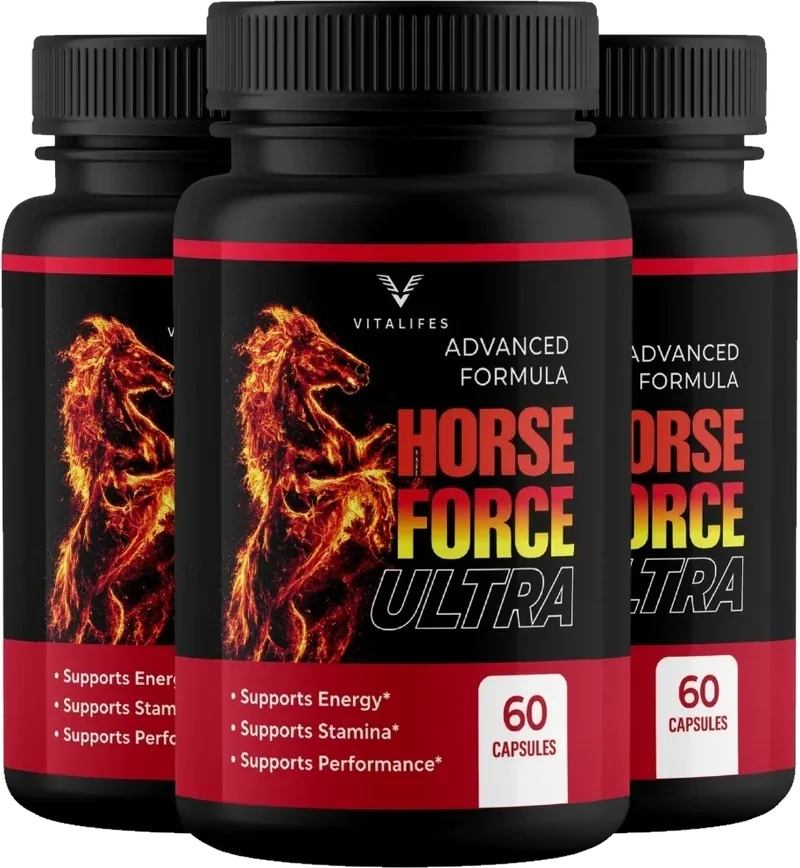
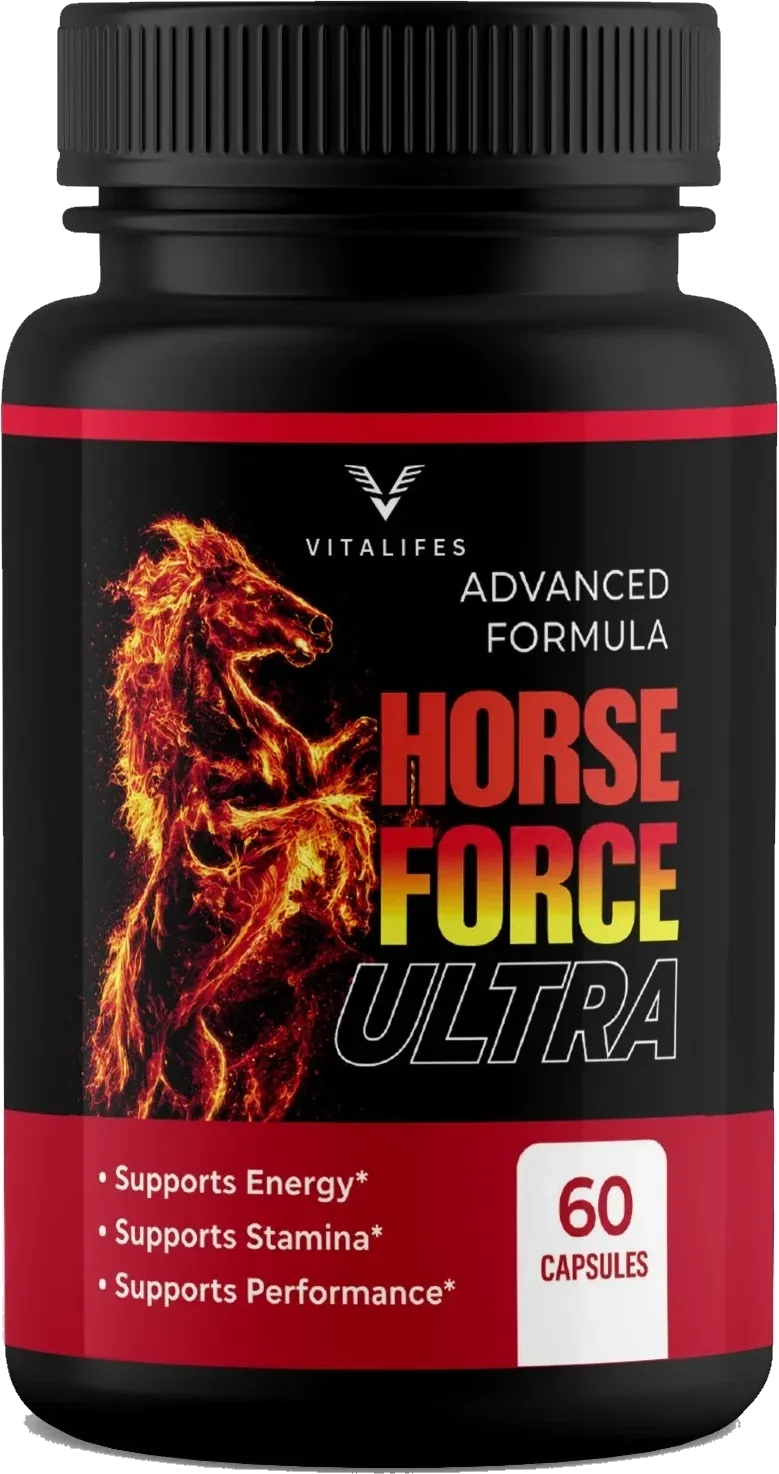
Horse Force Side Effects and Safety: What the Research Actually Says
Horse Force is generally well tolerated in short studies of its individual ingredients, but several can interact with blood thinners, blood pressure medicine, diabetes medicine or hormone-related drugs. It contains orchic substance (bovine tissue) and a gelatin capsule, so it is not vegetarian. The label tells anyone under 18, pregnant or nursing women, and anyone with a medical condition to see a physician first.
Horse Force side effects: the honest starting point
This page goes ingredient by ingredient through the safety research we could find, not just the parts of the label that make Horse Force sound good. None of the eight ingredients has a large, long-term safety trial on its own, and none has been tested as this exact 1,200 mg blend. That does not mean it is unsafe. It means the honest answer to "is it safe" is "probably, for most healthy adults, with some real exceptions." Read the exceptions before you order.
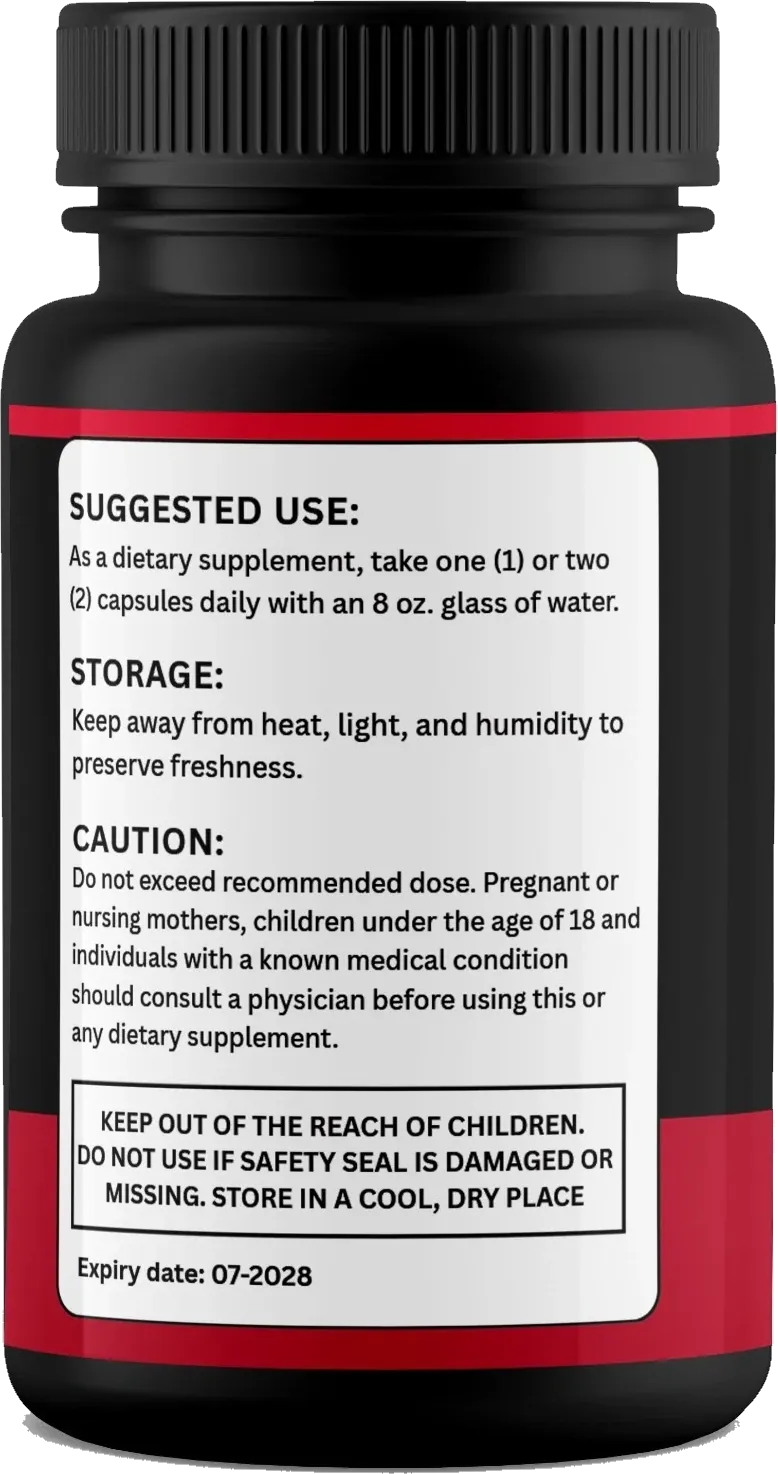
What the Horse Force label says about safety
“Do not exceed recommended dose. Pregnant or nursing mothers, children under the age of 18 and individuals with a known medical condition should consult a physician before using this or any dietary supplement.”
“KEEP OUT OF THE REACH OF CHILDREN. DO NOT USE IF SAFETY SEAL IS DAMAGED OR MISSING. STORE IN A COOL, DRY PLACE”
Those two lines are printed on the bottle and the box. Everything else on this page adds detail behind them: which ingredient is behind which caution, and what the research actually found.
Safety notes for all 8 Horse Force ingredients
Horny Goat Weed Extract
LiverTox rates horny goat weed an unlikely cause of liver injury, but a 2025 case report documented severe muscle spasms with markedly elevated creatine kinase and creatinine after use of an unregulated online Epimedium supplement. Icariin, its main active compound, caused gastrointestinal side effects at high doses (1680 mg/day) in a human safety trial, and no controlled human efficacy trials exist for sexual function.
Source: LiverTox (National Institute of Diabetes and Digestive and Kidney Diseases), 2023 · Lucerna et al., 2025
Tongkat Ali Powder
Tongkat Ali is generally well tolerated in short clinical trials with no consistent liver-enzyme changes, but LiverTox rates it a possible, rare cause of liver injury based on one case report that was confounded by concurrent bodybuilding and possible undisclosed steroid use. Because it raises testosterone, use caution with hormone-sensitive conditions or concurrent androgen therapy.
Source: LiverTox (National Institute of Diabetes and Digestive and Kidney Diseases), 2023
Saw Palmetto Extract
Saw palmetto may increase bruising and bleeding risk and should be used cautiously, or avoided, with warfarin and other blood thinners -- case reports document severe intraoperative bleeding and pericardial hemorrhage in a patient on a blood thinner (MSKCC About Herbs). It has antiestrogenic hormonal activity, has been linked to early-puberty signs in children exposed to it, and should be avoided by children and by pregnant or breastfeeding women; it does not appear to raise or lower PSA test readings.
Source: Memorial et al., 2024
Nettle Extract
Nettle root may add to the effects of blood-pressure-lowering drugs and diuretics, and its diuretic action could in theory affect clearance of drugs such as lithium that depend on kidney function, so it should be used cautiously alongside these medications. It may also lower blood sugar, which can be additive with diabetes medications, and it may inhibit CYP450 drug-metabolizing enzymes, affecting levels of other drugs; isolated case reports describe gynecomastia, galactorrhea, and allergic reactions.
Source: Memorial et al., 2024
Wild Yam Extract
Wild yam has a long history of use in cosmetics and topical creams, and the one controlled human trial found no significant effect on hormone levels versus placebo; there is no evidence that dietary diosgenin converts to progesterone or DHEA in the human body, so no specific hormonal safety concern is established, though no oral human safety trials exist either.
Source: Komesaroff et al., 2001
Sarsaparilla
Human safety data on sarsaparilla (Smilax) are very limited. Lab studies suggest it may affect CYP3A4- and CYP2D6-metabolized drugs and could theoretically alter the absorption or blood levels of other medications, though clinical relevance is unconfirmed; because interaction studies are lacking, it should be used cautiously alongside prescription drugs.
Source: Memorial et al., 2024
Orchic Substance
Orchic substance is derived from bovine (cattle) testicular tissue, so it is not vegetarian or vegan and carries the same theoretical BSE ('mad cow disease')/prion contamination concern that leads FDA to restrict imports of high-risk bovine tissue for supplements from at-risk countries -- though no human disease transmission from orchic supplements has been reported. Reliable human safety and efficacy data are otherwise lacking, and it should be avoided in pregnancy and breastfeeding.
Source: U.S. et al., 2024 · RxList et al., 2024
Boron Amino Acid Chelate
Boron is generally well tolerated at typical supplemental doses, but NIH ODS sets a Tolerable Upper Intake Level of 20 mg/day for adults from all sources combined. Very high accidental exposures (thousands of mg) have caused nausea, vomiting, convulsions, and kidney injury, and extreme doses (15,000-20,000 mg) can be fatal, so total boron intake from all supplements and food should be kept under the 20 mg/day limit.
Source: National Institutes of Health, 2024 · Naghii et al., 2011
Full ingredient notes and research-dose comparison: Horse Force ingredients.
Does Horse Force interact with medicine?
| If you take | Watch this ingredient | Why it matters | Source |
|---|---|---|---|
| Blood thinners (warfarin and similar) | Saw palmetto | May add to bleeding or bruising risk; case reports include severe surgical bleeding. | Memorial et al., 2024 |
| Blood pressure medicine | Nettle root | May add to the blood-pressure-lowering effect. | Memorial et al., 2024 |
| Diuretics | Nettle root | May add to fluid loss; nettle root itself has a diuretic effect. | Memorial et al., 2024 |
| Diabetes medicine | Nettle root | May lower blood sugar further, raising low-blood-sugar risk. | Memorial et al., 2024 |
| Hormone therapy or androgen drugs | Tongkat ali | Tongkat ali may raise testosterone; combining hormone-active products needs a doctor's input. | Leisegang et al., 2022 |
| Drugs cleared by CYP3A4 or CYP2D6 liver enzymes | Sarsaparilla | May affect these enzymes; clinical relevance in humans is unconfirmed. | Memorial et al., 2024 |
| Any prescription drug metabolized by the liver | Tongkat ali, horny goat weed | Neither has documented enzyme-level drug interactions, but both act on hormone or vascular pathways. | LiverTox (National Institute of Diabetes and Digestive and Kidney Diseases), 2023 |
None of these interactions have been studied in the exact combination Horse Force uses. If you take any prescription medicine regularly, the safest step is a two-minute call or message to your doctor or pharmacist before you start.
Who should not take Horse Force?
The label excludes
- Anyone under the age of 18
- Pregnant or nursing mothers
- Anyone with a known medical condition, without a physician's OK first
We would add
- Anyone on blood thinners, without a doctor's sign-off
- Anyone with a diagnosed prostate, liver or hormone condition
- Anyone who avoids animal-derived ingredients (gelatin capsule, orchic substance)
- Anyone expecting a fast, dramatic effect and unwilling to wait weeks
More on fit by situation: who Horse Force is for.
Orchic substance: the bovine-tissue note
Orchic substance is dried testicular (glandular) tissue from cattle. It is not vegetarian, not vegan, and it carries the same theoretical concern that leads regulators to watch bovine-derived material closely.
The FDA maintains an import alert that detains bulk shipments of high-risk bovine tissue, including glandular material, from countries with BSE ("mad cow disease") risk when it is meant for dietary supplements or cosmetics (U.S. et al., 2024). This is a regulatory caution about the category of ingredient, not a report that Horse Force's own supply has a problem, and no human illness from an orchic supplement has been reported (RxList et al., 2024). Still, if sourcing and animal-tissue risk matter to you, this is the ingredient to know about.
Because orchic substance has no human clinical trials, there is also no dose-response safety data specific to it; the caution here is about the tissue source, not a measured side effect. We recommend avoiding it in pregnancy and breastfeeding, and for anyone who avoids animal-derived supplements on principle. More: orchic substance explained.
Boron: how much is safe, and what Horse Force doesn't say
What the research found
A small, 1-week trial in 8 healthy men found 10 mg a day of boron raised free testosterone and lowered estradiol (Naghii et al., 2011). It is a promising, preliminary result, not a confirmed effect, and it did not test stamina or performance.
The upper limit
The NIH sets an adult Tolerable Upper Intake Level for boron at 20 mg a day from all sources combined (National Institutes of Health, 2024). Horse Force does not publish how much boron is in its blend, so you cannot add it to food or water sources and check the total against that limit.
Accidental exposures in the thousands of milligrams have caused nausea, vomiting, convulsions and kidney injury, and extreme doses have been fatal. Typical supplement and food doses are far below that, but it is why an upper limit exists at all.
Why does the listing mention yohimbe if it's not on the label?
The marketplace listing's item specifics mention yohimbe extract. The Supplement Facts panel on the bottle does not list yohimbe anywhere. This site follows the label, because that is the legally required ingredient disclosure, not the listing copy.
Why the mismatch would matter if a bottle ever did list yohimbe: yohimbe is a stronger, stimulant-like ingredient than anything currently on this label. It is known to raise heart rate and blood pressure in some people, and supplement safety databases commonly flag it against MAOI antidepressants, blood pressure medicine and stimulant use, since the combined effect on the heart and blood pressure can be more than either ingredient alone. None of that caution currently applies to the Horse Force label as printed, because yohimbe is not one of its eight ingredients.
If you ever receive a bottle whose printed Supplement Facts panel does list yohimbe, or any ingredient not named on this page, treat that as a reason to stop and call the order desk before taking it, since it would not match the product this page describes. The order desk is +1 (302) 200-3480; have your order ID ready.
When to stop and call a doctor
Any of the following, whether or not you think it is related to Horse Force.
- Unusual bleeding, bruising, or blood in urine or stool
- A racing or irregular heartbeat, chest pain, or dizziness
- Swelling, rash, or other signs of an allergic reaction
- Unexplained nausea, vomiting, or stomach pain that does not pass
- Breast tenderness, swelling, or unexpected discharge (nettle root has rare case reports of this)
- Any symptom that worries you, even if it seems minor
This list is intentionally broad. A capsule blend with eight ingredients and unpublished amounts deserves more caution, not less, when something feels off.
Side effects: common questions
What are the side effects of Horse Force?
No large safety trial exists for the exact blend. Individual ingredients carry their own cautions: saw palmetto and bleeding risk, nettle root and blood pressure or blood sugar effects, and orchic substance as an animal-tissue ingredient with limited safety data.
Can I take Horse Force with blood thinners?
Ask your doctor first. Saw palmetto may add to bleeding or bruising risk, with case reports of serious bleeding in patients on blood thinners (Memorial et al., 2024).
Is Horse Force safe for blood pressure or diabetes?
Talk to your doctor before starting. Nettle root may lower blood pressure and blood sugar further, which can add to what your medicine already does (Memorial et al., 2024).
Does Horse Force contain yohimbe?
Not according to the Supplement Facts label. The marketplace listing's item specifics mention yohimbe, but yohimbe does not appear on the printed label.
Is orchic substance safe?
No human trials have tested it, so reliable safety data are limited (RxList et al., 2024). It is bovine glandular tissue, and FDA import controls exist for high-risk bovine material from BSE-risk countries (U.S. et al., 2024).
How much boron is in Horse Force?
Not published. The adult upper limit for boron from all sources is 20 mg a day; without a published amount, total daily boron intake cannot be checked against that limit (National Institutes of Health, 2024).
Who should not take Horse Force?
Anyone under 18, pregnant or nursing women, and anyone with a medical condition should see a doctor first, per the label. We would add anyone on blood thinners or hormone-related medicine, and anyone who avoids animal-derived ingredients.
What should I do if I have a bad reaction?
Stop taking it and call a doctor. You can also call the order desk at +1 (302) 200-3480 with your order ID if you want to return the product.
Order Horse Force from the authorized retailer
60 capsules per bottle, 2 a day. Packs of 3, 6 or 9 bottles run from $10.26 a bottle on the listing, with 30-day returns. Questions first? Call +1 (302) 200-3480.