Stamina Training After 40: What Actually Moves the Needle
After 40, stamina depends most on steady aerobic training, two weekly strength sessions, 7-9 hours of sleep, a real rest day, enough protein and daily hydration. Tongkat ali (200-600 mg standardized extract) and boron (10 mg) show modest testosterone gains in small trials, but they are a small addition on top of these habits, not a substitute for any of them.
Why does stamina feel different after 40?
Nothing breaks at 40. But several small things change at once, and together they explain why a training pace that felt easy at 30 leaves you winded now. None of it means stamina is gone. It means the inputs that build stamina need more attention than they used to.
| What changes around 40 | Why it matters for stamina |
|---|---|
| Recovery slows a little | The same workout needs a bit more time before you feel fresh again |
| Sleep gets lighter for some men | Less deep sleep can mean feeling tired even after 7-8 hours in bed |
| Muscle mass declines gradually without training | Less muscle means less capacity for sustained effort |
| Daily activity often drops | Desk-bound years quietly cut the base fitness that stamina is built on |
| Old injuries and stiffness accumulate | Small aches change how hard you are willing to push |
None of these are reasons to stop pushing. They are reasons to be deliberate about training, recovery, sleep and food, the four levers that move stamina more than anything you swallow with water in the morning.
It also helps to separate two different things people call "stamina." One is cardiovascular endurance, how long you can sustain effort before your heart and lungs give out. The other is muscular endurance and general work capacity, how long you can keep lifting, carrying or moving through a physical day without your muscles giving up first. After 40, both need direct attention; neither improves much just from getting older and hoping for the best.
Which training habits matter most after 40?
Build a base of easy effort first
Stamina is built mostly by volume at a pace you can sustain and hold a conversation through, not by grinding hard every session. Three or four sessions a week of steady cardio, cycling, brisk walking, rowing or an easy jog, build the aerobic base that everything harder sits on top of.
Add intervals, but sparingly
One or two short, harder sessions a week, intervals or hill repeats, raise your ceiling faster than easy training alone. More than that, and recovery starts to fall behind, which after 40 shows up as flat, tired training rather than progress.
Keep lifting
Resistance training twice a week slows the loss of muscle that quietly erodes stamina over the years. Bigger, stronger muscles handle a long day of physical work with less strain, which is exactly what "stamina" means outside a gym.
Progress slowly, not suddenly
The single most common way men in their 40s and beyond derail a good routine is ramping volume or intensity up too fast after time off. Recovery capacity after 40 is real, but it responds well to training that increases gradually, by roughly 10% a week, rather than in a sudden jump back to an old personal best.
How much do recovery and sleep really matter?
Protect 7 to 9 hours
Sleep is where training turns into fitness. Cutting sleep to fit in more training or more work usually backfires: stamina drops even as effort goes up.
Take a real rest day
At least one full day a week with no hard training lets recovery catch up. Skipping rest days is the most common way stamina stalls after 40, not a lack of effort.
Watch for the warning signs
Resting heart rate creeping up, mood dipping, or workouts that used to feel manageable suddenly feeling brutal are signs recovery is behind. Back off before pushing through.
Recovery and sleep are not the reward for training. They are the other half of it. A hard week of training with poor sleep behind it builds less stamina than a moderate week with good sleep behind it.
Which food habits move the needle?
Food habits after 40 do not need to be complicated. A handful of consistent choices move stamina more than any single "superfood" or supplement ever will.
- Eat enough protein across the day to support muscle, roughly a palm-sized portion at each meal
- Drink water steadily through the day, not just during a workout
- Eat a real meal 2-3 hours before a hard session, not on an empty stomach
- Keep alcohol modest; it disrupts the deep sleep stamina depends on
- Do not skip carbohydrates entirely if you train hard; they refill the fuel that sessions burn through
Steady hydration. Even mild dehydration measurably reduces endurance and raises perceived effort, and it is the easiest of these habits to let slide on a busy day.
None of this requires a strict diet plan. It requires noticing patterns: a week of skipped breakfasts, back-to-back late dinners, or several nights of low water intake will show up in how sessions feel before it shows up on a scale. Fix the pattern, not just one bad day.
Where does a supplement like tongkat ali or boron actually fit in?
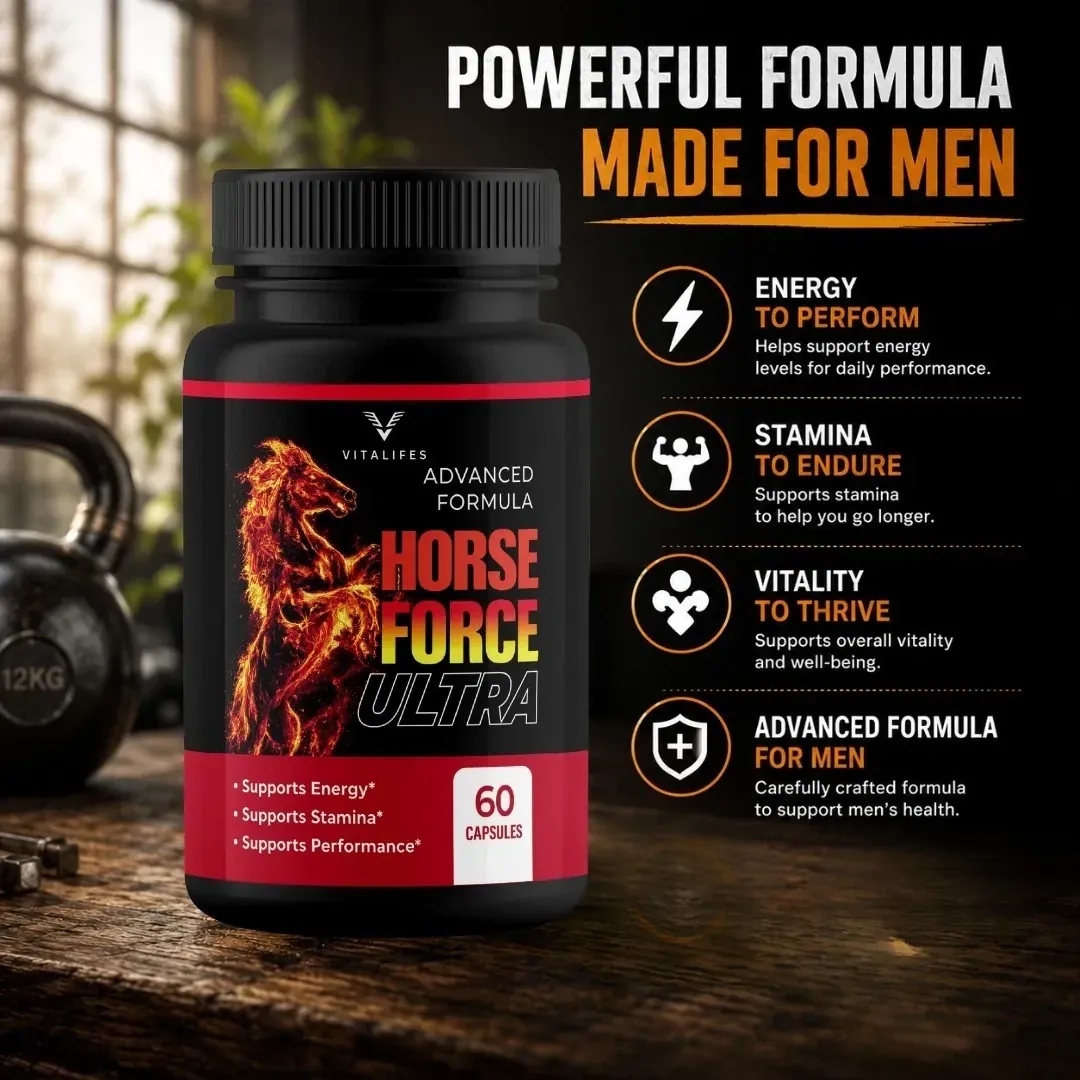
This is where a daily capsule, tongkat ali, boron or otherwise, actually sits: as a small addition on top of training, recovery, sleep and food, not a replacement for any of them.
| Ingredient | What the research found | Where it fits |
|---|---|---|
| Tongkat ali (standardized extract, 200-600 mg/day) | Testosterone rose in several small trials, mostly in men who started with low levels, per a systematic review and meta-analysis (Leisegang et al., 2022) | A possible small addition on top of training and sleep, not a substitute for either |
| Boron (10 mg/day, 1-week trial) | Free testosterone rose and estradiol fell in a very small, short trial, n=8 (Naghii et al., 2011) | Promising but early; NIH ODS sets the adult upper limit at 20 mg/day from all sources (National Institutes of Health, 2024) |
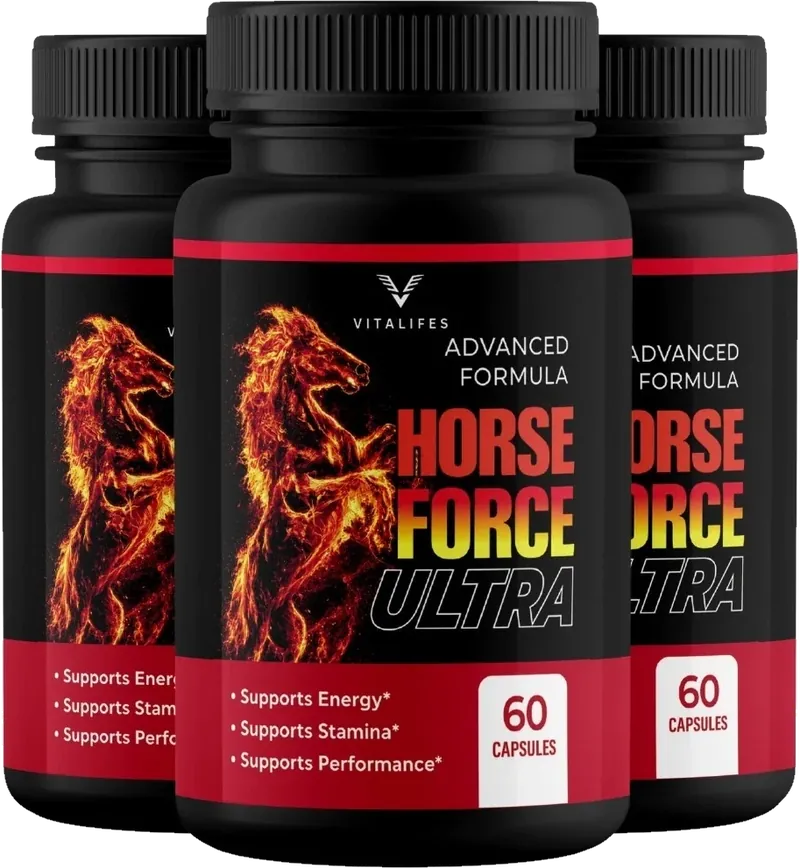
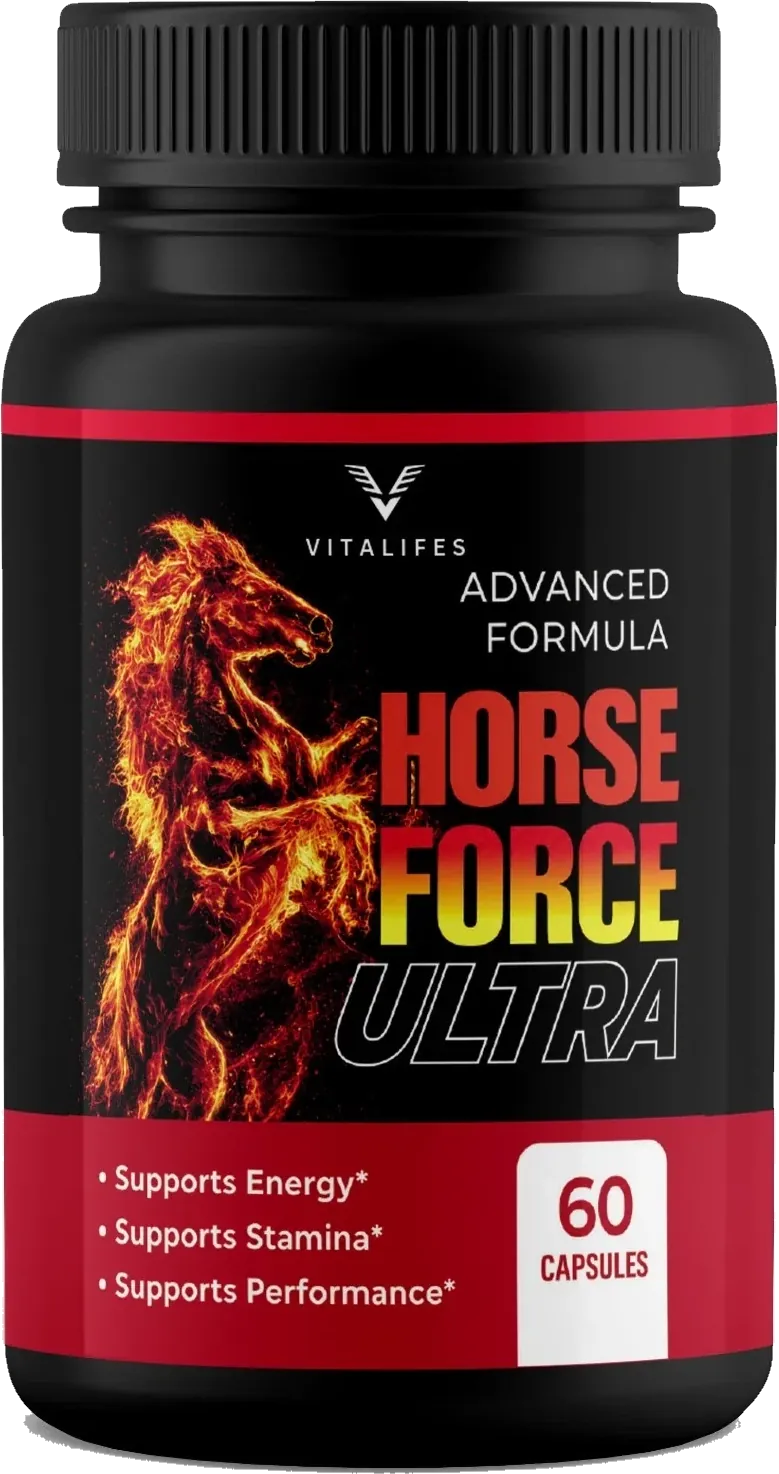
The catch is that the strength of this research assumes a known form and a known dose, exactly what a proprietary blend often will not tell you. Our full breakdown of that gap, using Horse Force Ultra's label as the example, is in tongkat ali powder vs. extract. A related ingredient with far less backing, dried bovine glandular tissue, is covered in orchic substance explained.
Put simply: research on tongkat ali and boron is real, but modest, short, and tied to specific doses and forms. Training consistency, sleep and food habits are the levers with decades of evidence behind them and no label to check. Get those right first, and treat any capsule as a small extra, not the plan.
A practical way to think about it: if you had to rank the four training and lifestyle habits above against a daily capsule for how much each one moves stamina over a year, the habits would win every time. That does not make the research on tongkat ali or boron worthless, it just puts it in its proper, modest place in the list.
If you do want to see how one such product's label holds up, the full panel is broken down on our Supplement Facts page, and the complete ingredient-by-ingredient notes are on the ingredients page.
Questions readers ask
Does stamina really decline after 40, or is that a myth?
Some decline is normal without training, mainly from gradual muscle loss and often lighter sleep, but most of what people notice comes from doing less consistent training, not an unavoidable drop. Steady training largely offsets it.
How much cardio do I need each week for stamina after 40?
A common, sustainable pattern is 3-4 sessions of steady, conversational-pace cardio, plus 1-2 shorter, harder interval sessions. Two strength sessions a week on top of that protect the muscle mass stamina relies on.
Is sleep really as important as training for stamina?
Yes. Training creates the stimulus, but sleep is where the body adapts to it. Consistently cutting sleep to train more tends to reduce stamina gains rather than add to them.
What does the tongkat ali research actually show for stamina?
Human trials used a standardized extract at roughly 200-600 mg a day and found testosterone increases, mainly in men with low baseline levels, over periods from two weeks to six months. See tongkat ali powder vs. extract for the full picture, including how root powder differs.
Should I take a supplement instead of fixing my sleep or training?
No. The research behind ingredients like tongkat ali and boron is modest and comes from short trials at specific doses. Training, sleep and food habits have far larger, longer-established effects on stamina and cost nothing.
What is a realistic timeline to notice a stamina improvement?
Consistent training and sleep habits typically show up in how workouts feel within 3-6 weeks, with clearer gains by 8-12 weeks. That is also roughly the window used in most of the supplement trials discussed above.
Keep reading
Orchic substance explained
Orchic substance is dried bovine glandular tissue with no human trials behind it. Here is why it's in men's formulas, an...
Read →Tongkat ali powder vs. extract
Tongkat ali research used 200-600 mg of standardized extract, not plain powder. Here is why that gap matters for a 1,200...
Read →How much does Horse Force cost?
Pack sizes, days of supply and how to pick the right one.
Read →Order Horse Force from the authorized retailer
60 capsules per bottle, 2 a day. Choose 2, 3 or 6 bottles; the checkout shows each price and the money-back terms before you pay. Questions first? The contact page lists every desk.